ADAS Calibration in Billings, MT
We recalibrate the forward camera behind your new windshield in our own Billings shop, so lane keeping and automatic braking work before you leave.
Updated
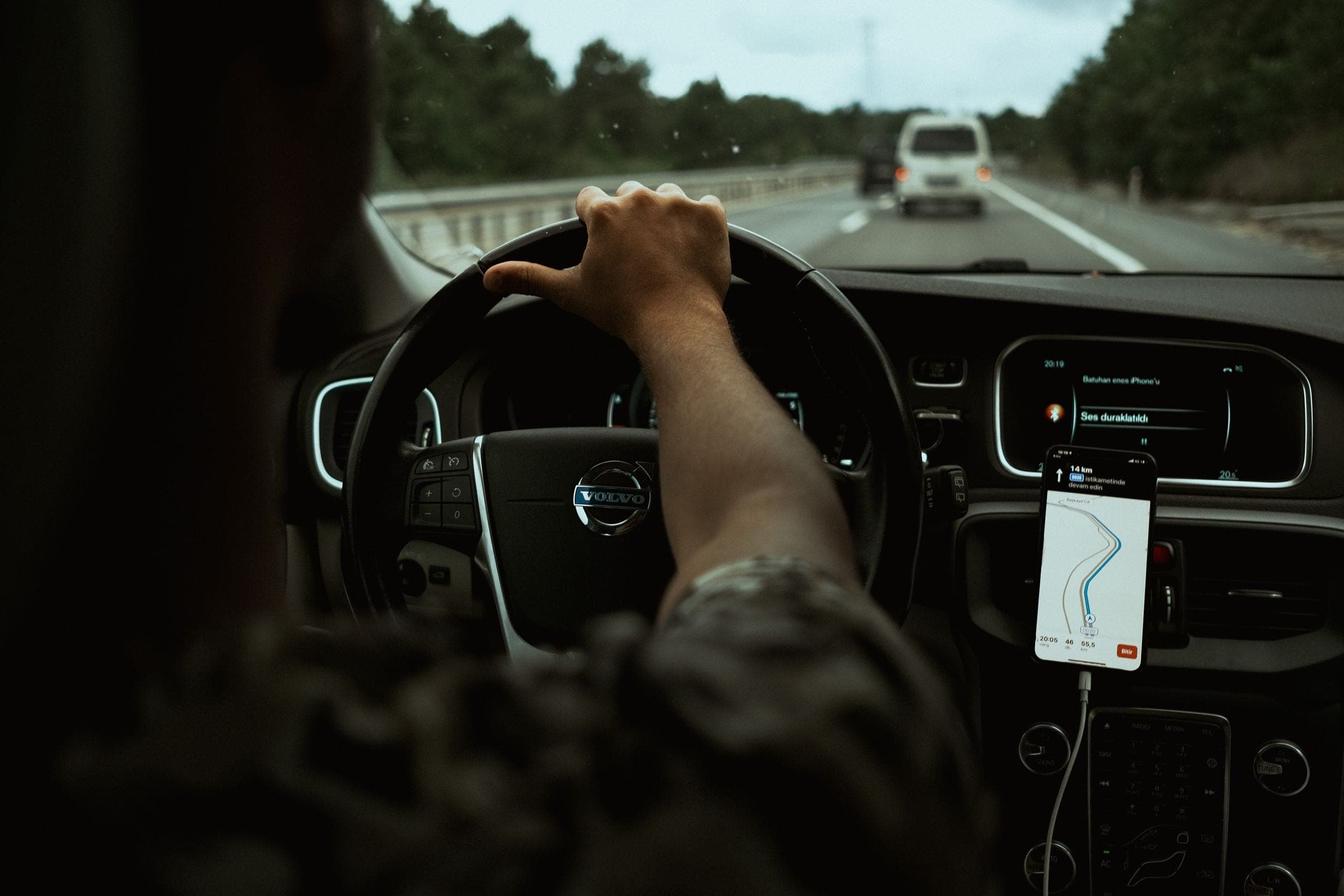
Billings Precision Windshield handles ADAS calibration in house, right after we replace a windshield. The forward-facing camera mounted behind the glass near the mirror reads lane lines, vehicles and signs for lane departure warning, lane keeping assist, automatic emergency braking, adaptive cruise control and automatic high beams. Move that camera a fraction of a degree, or look through new glass with slightly different optics, and the system aims at the wrong spot on the road. We run static target calibration in the shop or a dynamic road calibration with a scan tool, whichever the carmaker specifies.
Billings Precision Windshield provides ADAS calibration after windshield replacement to Billings and surrounding Montana towns, including Laurel, Lockwood, Shepherd, Huntley, Park City, Joliet and Hardin. Because the glass and the calibration happen under one roof, you do not need a second trip to a dealer.
The vehicle maker decides the method. We follow the procedure for your year, make and model.
Static calibration uses printed targets set at measured distances in front of the car on a level shop floor. A scan tool tells the camera to find the targets and store its new aim. It takes about 30 to 60 minutes once the new windshield has cured, and it is required on many Toyota, Honda and Subaru EyeSight systems.
Dynamic calibration happens on the road. With a scan tool connected, a technician drives at set speeds on well-marked streets until the camera relearns the lane lines, usually 30 to 45 minutes of driving. Billings arterials such as King Avenue and the I-90 stretch through town give clear paint for it in most weather.
Some vehicles need both: a static target session in the bay, then a road drive to confirm. Many Ford, GM and Nissan trucks fall in this group. We plan the extra time into your appointment so the car still goes home the same day in most cases.
Lane departure warning and lane keeping assist depend on the camera judging exactly where the painted lines sit. A camera aimed a little high or low places the lines wrong, which leads to late alerts or steering nudges toward the shoulder. Calibration resets that aim.
Automatic emergency braking and forward collision warning use the windshield camera, often paired with a grille radar, to judge the distance to the car ahead. A poorly aimed camera can brake late or trigger false alerts. We confirm the system reports no faults before you leave.
The rain sensor that runs automatic wipers and the light sensor for automatic headlights also sit on the glass. They need a clean gel pad and correct seating on the new windshield. We reset them and test the wipers before handing back the keys.
If your car has a camera mounted on the windshield, almost certainly yes. Carmakers including Honda, Toyota, Subaru and Ford require the forward camera to be calibrated whenever the windshield is replaced, because the new glass and bracket change what the camera sees. Without it, lane keeping and automatic braking can act on a misread road.
An easy check: look behind the rearview mirror from outside the car. A black housing with a lens pointing forward means a camera. Lane departure warning, lane centering, adaptive cruise and traffic sign recognition in the owner's manual all point the same way. Tell us the year, make and model and we will tell you which calibration your vehicle needs before the glass is ordered.
At highway speed on I-90 between Billings and Laurel, a camera aimed one degree off is looking at a spot several feet away from where it should. That is the gap between a lane departure alert that helps and one that fires too late on a curve. Long, straight stretches with faded paint and blowing snow already make the camera's job harder.
The windshield itself also does structural work. It supplies up to 60% of the cabin's strength in a rollover, according to the Auto Glass Safety Council, and the passenger airbag deploys against it. That is why we pair calibration with a full windshield replacement done to the AGRSS installation standard rather than treating the camera as an afterthought.
In most cases, yes. When comprehensive coverage pays for a new windshield, insurers usually treat the required ADAS calibration as part of the same glass claim, because the carmaker calls for it. Your normal comprehensive deductible applies to the whole job. We list the calibration as its own line on the invoice so the adjuster sees it.
AAA's 2023 research found that the ADAS parts and calibration tied to a windshield replacement averaged about $360 on top of the glass. Knowing that number helps when you compare quotes: a low windshield price that leaves out calibration is not the full price. If you only have a cracked chip, chip repair leaves the camera bracket untouched and needs no calibration.
ADAS calibration after a windshield replacement typically costs $150 to $400 in 2026. A single forward camera with static targets sits at the low end; vehicles needing both static and dynamic calibration, or several cameras, cost more. AAA found ADAS parts plus calibration averaged about $360 per windshield job.
Typical 2026 ranges. Your exact price depends on the vehicle and the carmaker's procedure.
Contact Us| Calibration type | Typical time | Typical price (2026) |
|---|---|---|
| Static camera calibration | 30 to 60 minutes | Low end of $150 to $400 |
| Dynamic road calibration | 30 to 45 minutes of driving | Low to middle of the range |
| Static plus dynamic | About 1.5 hours | Upper end of the range |
| Rain and light sensor reset | Done during install | Usually included |
Look up the procedure
Your VIN tells us the camera system and whether the carmaker calls for static, dynamic or both.
Install the windshield
The new glass goes in with the camera bracket and sensors seated, then the urethane cures to its drive-away time.
Calibrate
We set targets on the level shop floor or drive the prescribed route with the scan tool connected.
Verify and record
The scan tool confirms no stored faults, we road test the assist systems and print the result.
Static calibration takes about 30 to 60 minutes after the windshield is installed, and dynamic calibration needs about 30 to 45 minutes of driving. Vehicles that need both take a little longer. With a windshield replacement of about two hours, most cars are ready the same day.
No. Many cameras accept a new windshield without any warning light while aiming slightly off. The system still works, just at the wrong spot on the road. When the carmaker requires calibration after glass replacement, the only way to know the aim is correct is to run it.
No. A chip repair fills the break with resin and never removes the glass or the camera bracket, so the camera's aim does not change. Only a full windshield replacement, or work that moves the camera, calls for calibration. That is one more reason to repair chips early.
Yes, but it means a second appointment and a drive across town with assist systems you cannot trust. We calibrate in house right after the windshield goes in, using the carmaker's procedure, so you leave with the glass and the camera finished in one visit.
Any vehicle with a forward camera on the windshield: most newer Subarus with EyeSight, Toyotas with Safety Sense, Hondas with Honda Sensing, and many Ford, GM and Ram trucks with lane keeping. Give us your year, make and model and we will confirm before ordering the glass.
Send us the year, make and model and a photo of the damage if you have one. We check the glass part, the camera and your insurance, then give you a price and a time slot the same day.