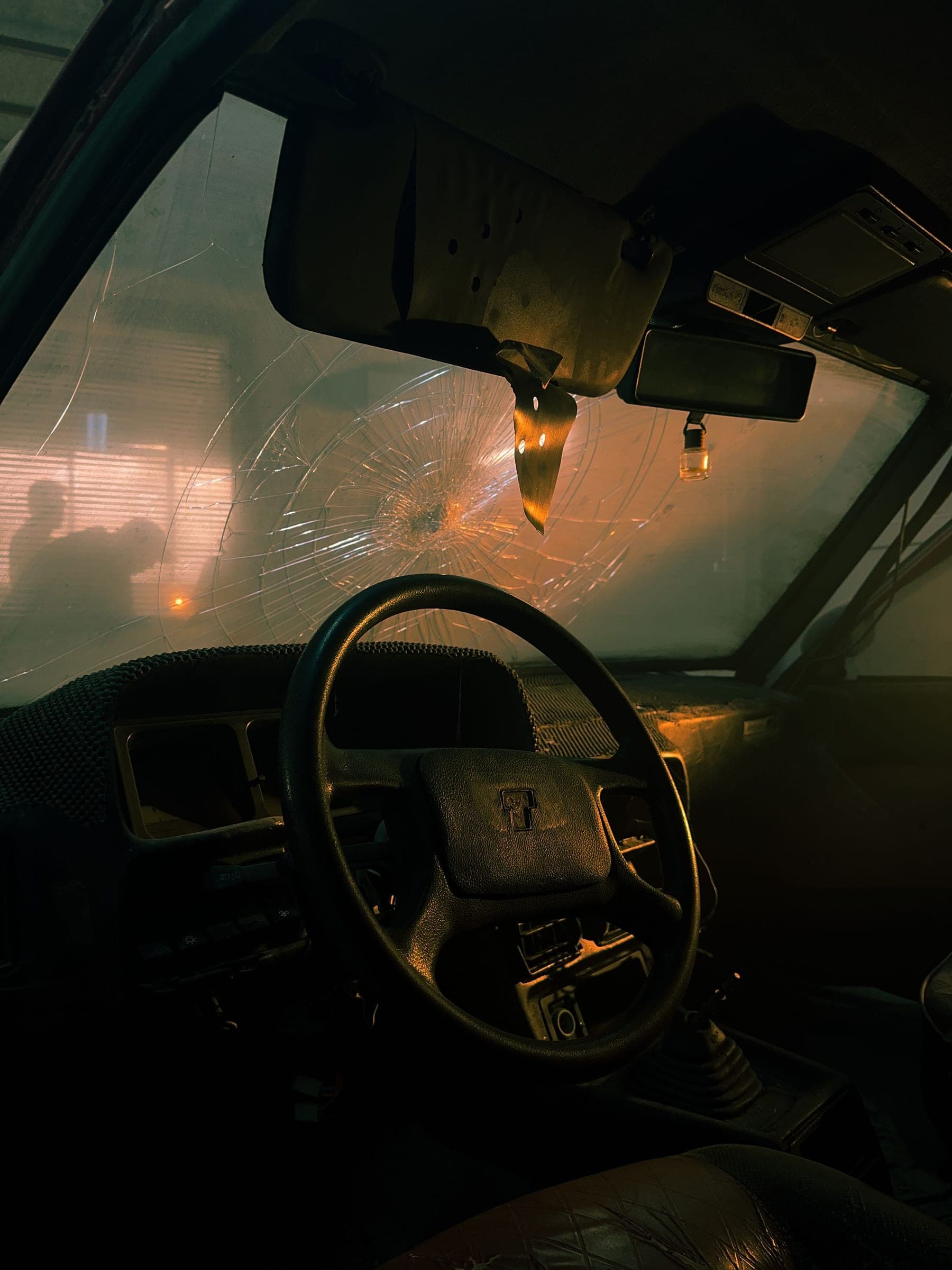
Windshield Replacement in Columbus, MT
Columbus drivers reach our downtown Billings shop in about 40 minutes on I-90, and most windshields are replaced in roughly two hours.
Updated
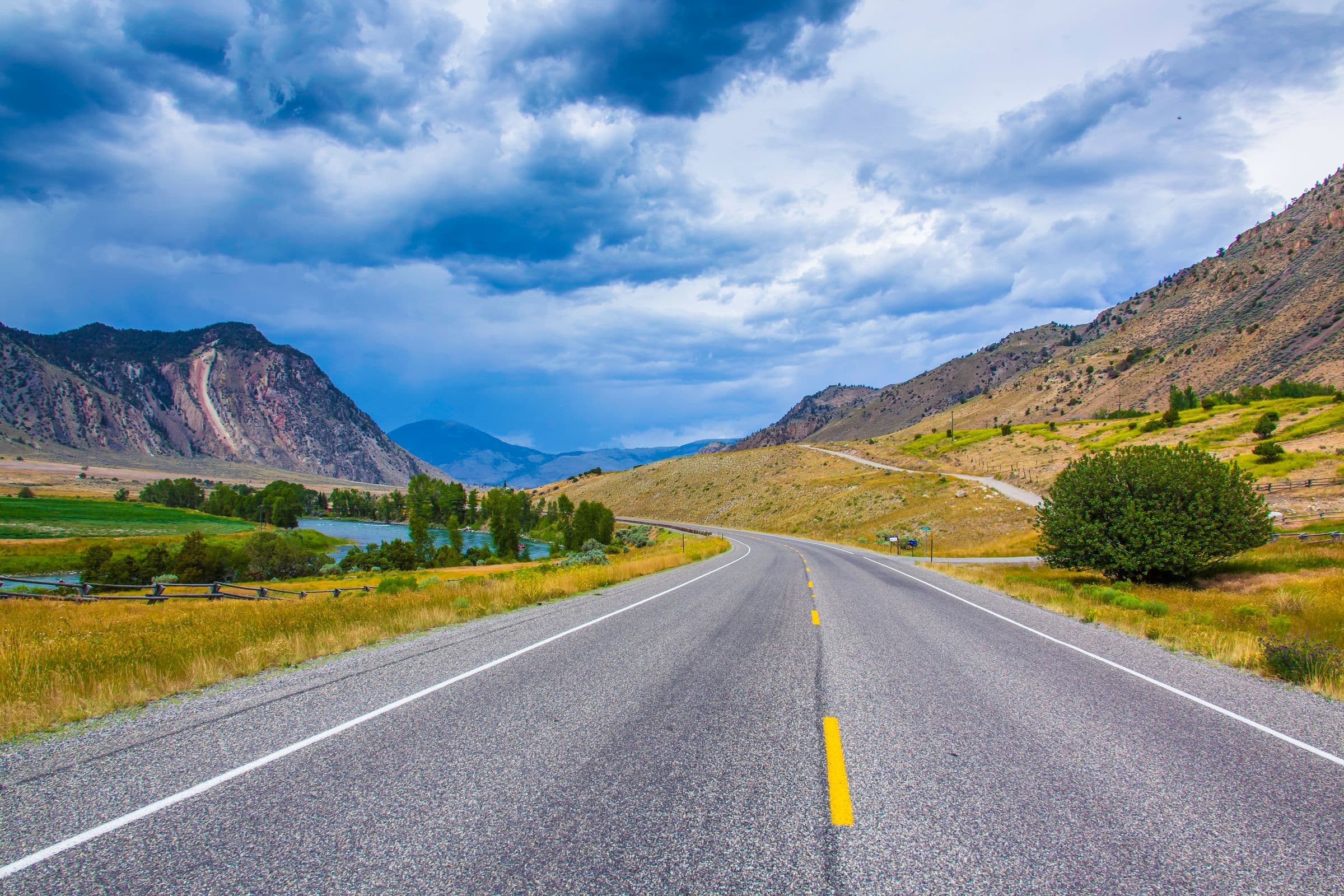
Windshield replacement in Columbus, MT is what Billings Precision Windshield does most for Stillwater County drivers, along with resin chip and crack repair, ADAS camera calibration, pickup back glass and power sliders, door glass and window regulators, motor home windshields and insurance glass claims. We set OEM and OEM-equivalent laminated glass in fresh urethane, follow the maker's minimum drive-away time, and check every camera bracket and rain sensor before the keys go back.
The drive is simple: about 40 miles east on I-90 from the Columbus interchange to our shop in downtown Billings, usually 40 to 45 minutes. Same-day appointments are often open, so a crack you notice on the morning commute can be gone by mid-afternoon. Call ahead with the year, make and model so the right glass is on the shelf when you arrive.
A Columbus visit usually looks like this:
Most Columbus windshields we replace were hit by something thrown from a tire. I-90 between Columbus and Laurel carries a steady line of freight trucks, and MT-78 south toward Absarokee is a two-lane road where oncoming pickups pass close. Every winter the Montana Department of Transportation spreads traction sand, which is crushed gravel from local pits, because sand keeps its grip at temperatures where salt stops working. That grit stays on the shoulders well into spring and gets flicked up at highway speed.
A chip from a sand grain is usually a small bullseye or star break. Under 1 inch across and outside the driver's direct line of sight, it is a good candidate for resin repair, which takes about 30 minutes and keeps the factory seal intact. A crack that has already run past roughly 6 inches, or one that reaches the edge of the glass, calls for a new windshield.
Columbus is home to the Sibanye-Stillwater metallurgical complex, where the company smelts and refines platinum group metals mined up the Stillwater valley near Nye and at East Boulder. That means shift traffic, haul trucks and work pickups on the same roads every day. Fleet and work trucks get the same glass and calibration as a family SUV, and we can schedule several company vehicles back to back so a crew is not short a truck for long.
Yes. Glass expands and contracts with temperature, and a chip is a weak point where that stress collects. Columbus has recorded lows of -45°F and highs of 109°F, so the glass sees a huge range in a year. The fastest way to turn a chip into a long crack is hot defroster air on a frozen windshield, which heats the inside layer faster than the outside.
Until you can get to the shop, start the defroster on low, park facing away from the sun in summer, and put a piece of clear tape over the chip to keep water and grit out. Avoid car washes and slammed doors. If the chip sits low on the passenger side, it often survives a week; one in front of the driver usually does not. See windshield chip and crack repair for the full repair limits.
Because you are driving 40 miles each way, we try to finish everything in one visit. Before you come, we confirm the exact part number from your VIN, check whether the windshield carries a forward camera, rain sensor, heated wiper area or acoustic interlayer, and note any trim or molding that should be replaced with the glass.
Most trucks and SUVs built in the last several years have a camera behind the glass for lane keeping and automatic emergency braking. That camera has to be aimed again after a new windshield goes in, and we do it in house. The ADAS calibration page explains static and dynamic calibration and when each one applies.
If you carry comprehensive coverage, rock and hail damage to glass is usually covered after your deductible. Many policies pay for chip repair with no deductible at all, because a $60 to $130 repair saves the insurer the cost of a full windshield. Montana is not one of the states that requires zero-deductible glass coverage, so check your own policy.
| Situation | What usually happens | What to bring |
|---|---|---|
| Chip under 1 inch | Repair, often no deductible | Policy number |
| Crack longer than about 6 inches | Replacement, deductible applies | Claim number or policy |
| Camera-equipped windshield | Replacement plus calibration on one claim | VIN and claim number |
We work with the major insurers and help you start the claim by phone from the shop. If the windshield costs less than your deductible, we will tell you so before any work starts. Heading south on MT-78 later? We also serve drivers in Red Lodge, about 60 miles from our shop.
OEM glass is made by or for the carmaker and carries its logo. OEM-equivalent glass, sometimes called OEE or aftermarket, is made by another glass maker to the same size, curvature, tint and bracket positions. Both are laminated safety glass built to the federal glazing standard, FMVSS 205, and both bond to the body the same way.
The difference shows up in a few places. Some forward cameras are sensitive to small changes in optical quality near the camera window, and a few carmakers state that only their own glass should be used with their driver assistance systems. We tell you which applies to your vehicle before ordering, and many insurers will pay for OEM glass when the camera calls for it.
Columbus is the county seat, but plenty of our Stillwater County customers come from further out: Absarokee on MT-78, Reed Point up I-90 to the west, and the ranches along the Stillwater River toward Nye. For those drivers the shop can be an hour or more away, so the same rule applies. Call first, confirm the glass, and plan to do the windshield and any calibration in a single stop.
Our installers protect the hood and dash, cut out the old windshield, and trim the old urethane down to a thin, even layer on the pinch weld. Any bare metal or rust spots get primer, because a windshield bonded to rust can let go in a crash. The new glass is primed along its black frit band, a fresh bead of urethane goes on, and the windshield is set in place and pressed to an even gap.
Then the moldings, cowl panel, wiper arms, mirror and sensors go back on, and we check for gaps that would cause wind noise or leaks. The urethane maker sets a minimum drive-away time, often 30 to 60 minutes and longer in cold weather, and we will not hand back keys before it has passed. For the drive home on I-90, leave a window cracked an inch for the first day and skip the car wash for 24 hours.
Everything below is done at our downtown Billings shop, usually the same day.
OEM or OEM-equivalent laminated windshields for cars, pickups and SUVs, set in urethane with new clips and molding where needed. Most installs take about two hours, and we give you the safe drive-away time before you leave for I-90.
Resin injection for bullseyes, stars and combination breaks under 1 inch. About 30 minutes, often covered by comprehensive insurance with no deductible, and the original factory seal stays in place.
Static target calibration in the shop or a dynamic road calibration with a scan tool, so lane keeping and automatic emergency braking read the road correctly after new glass.
Tempered rear windows, manual sliders and power sliding back glass with defroster grids for the half-ton and three-quarter-ton trucks common around the smelter and the ranches.
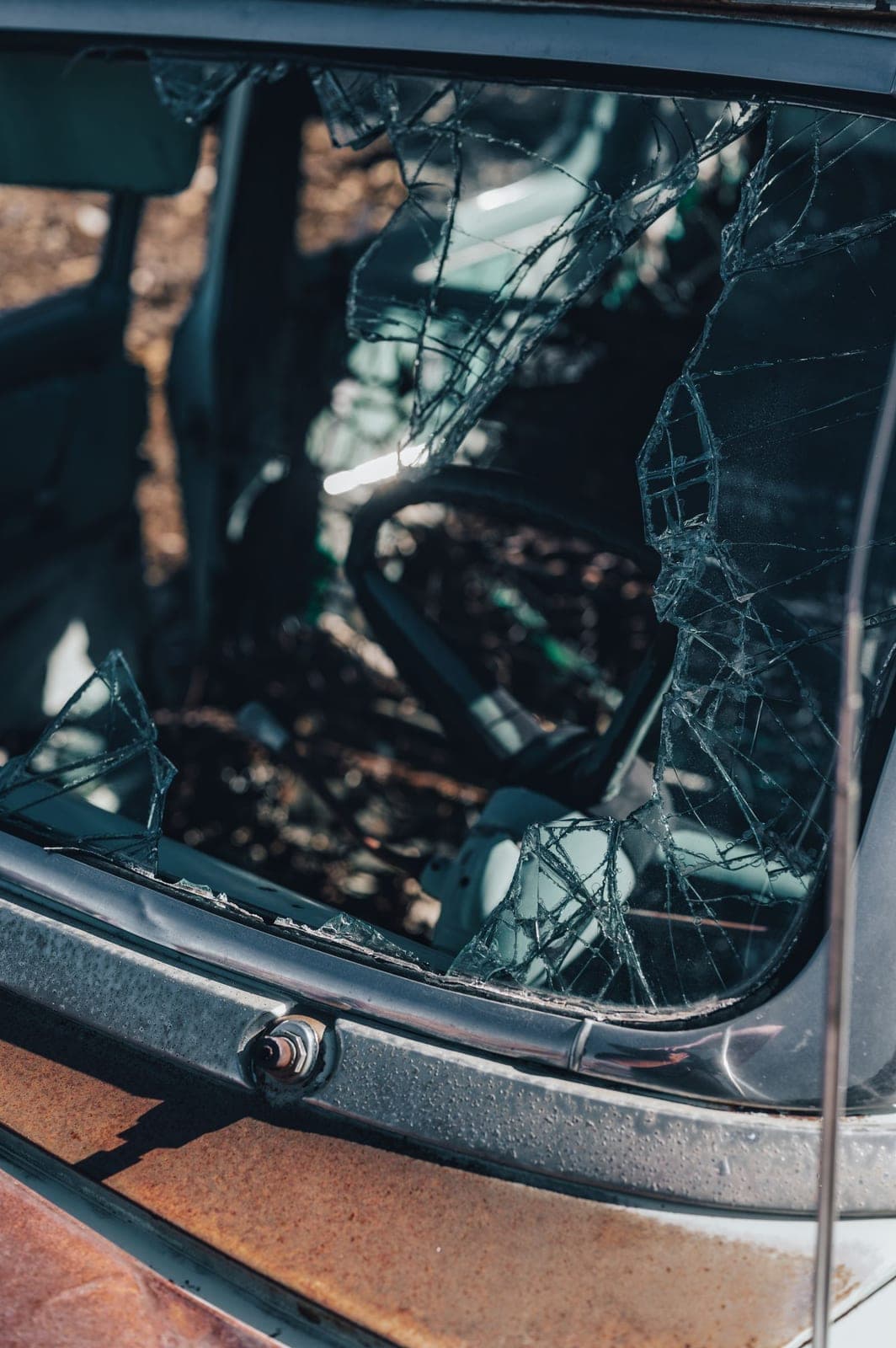
Shattered side windows replaced, glass bits vacuumed out of the door, and worn power window regulators or motors swapped so the glass runs straight again.
Flat and curved cab glass for tractors, combines and loaders from the Stillwater valley. Call with the make and model so we can price the panel before you haul it in.
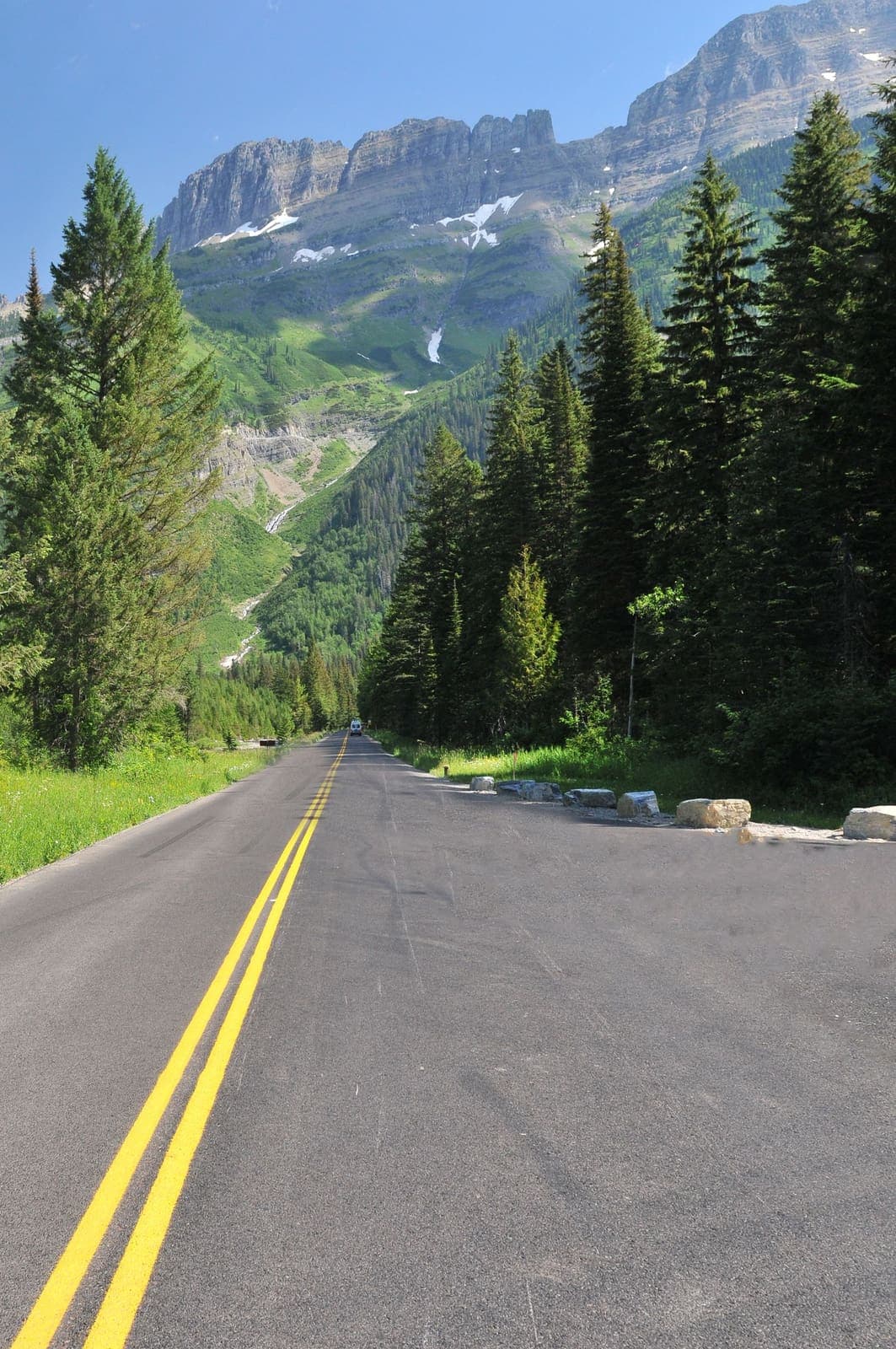
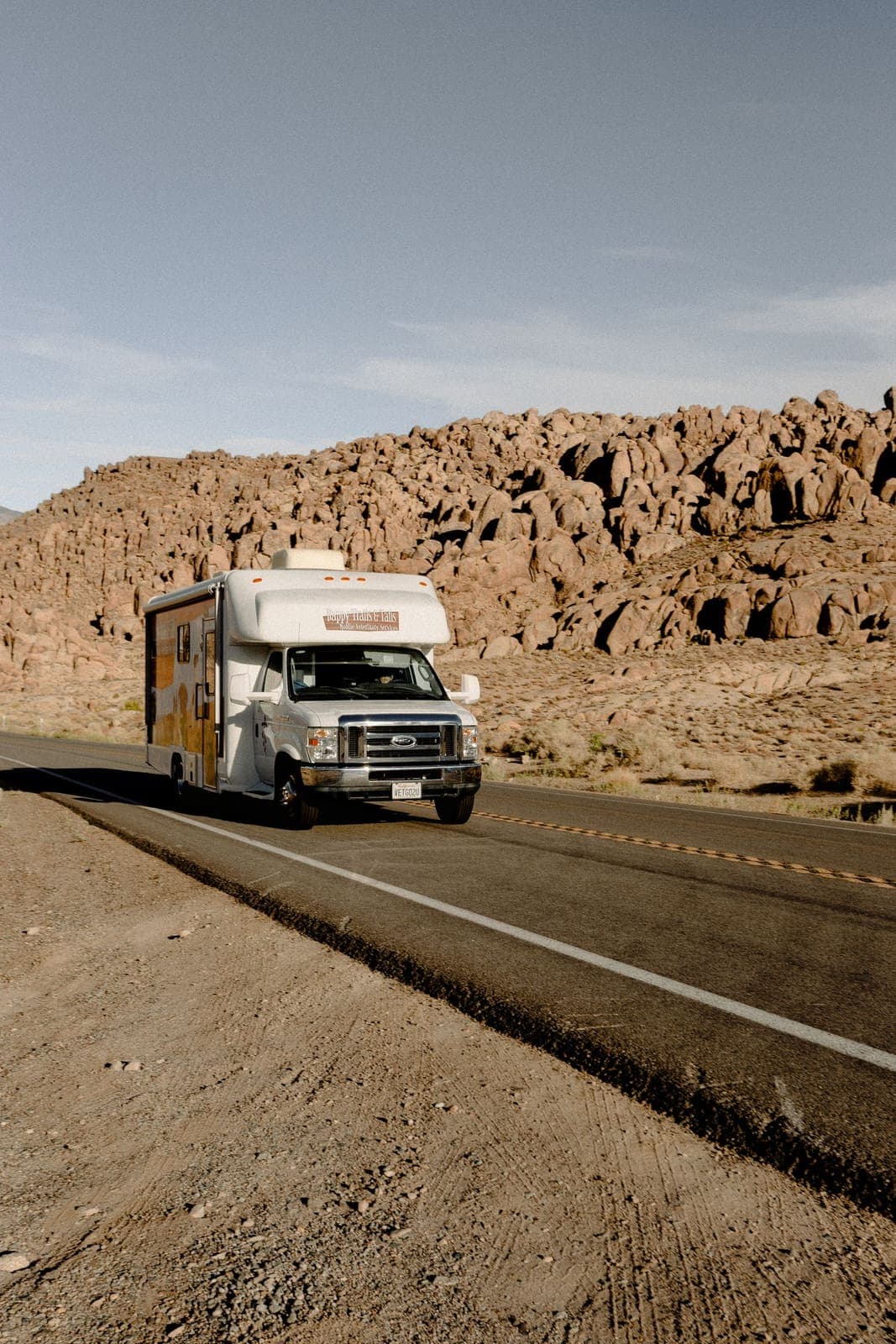
Our shop is in downtown Billings, about 40 miles east of Columbus on I-90. Most drivers make it in 40 to 45 minutes. We are open Monday to Friday from 7:30 am to 5:00 pm, and same-day appointments are often available if you call in the morning.
Often, yes. If we have the glass in stock for your vehicle, a windshield replacement takes about two hours, plus 30 to 60 minutes for camera calibration when the vehicle needs it. Call ahead with your VIN so we can confirm the part before you get on I-90.
A small chip rarely spreads on one 40 minute drive. Cold mornings with the defroster on high, potholes and a slammed door are what usually crack it. Run the defroster on low, cover the chip with clear tape and come in within a few days.
If you have comprehensive coverage, glass damage from rocks and hail is usually covered after your deductible, and chip repair is often covered with no deductible. Coverage depends on your policy, not the county. We help you open the claim from our shop.
Yes. The forward camera is mounted to the windshield, and a small change in its angle shifts where it thinks the lane lines are. Carmakers require calibration after replacement, and we do it in house during the same visit.
Send us the year, make and model and a photo of the damage if you have one. We check the glass part, the camera and your insurance, then give you a price and a time slot the same day.